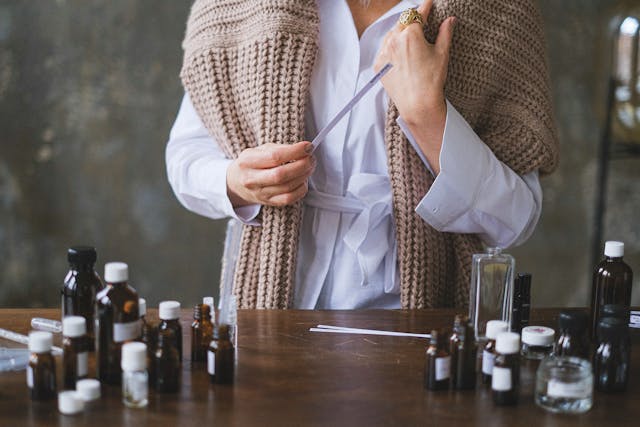
A few months ago, I started paying closer attention to the products I use every day.
And perfume was the hardest one to rethink.
Fragrance has always felt personal to me. It is the finishing touch before leaving the house, the scent that stays on a scarf the next morning, and sometimes the smallest detail that makes an outfit feel complete.
It is part of my perfume aesthetic.
But when I looked into what most commercial perfumes actually contain, I was surprised. Many use synthetic fragrance blends that can include dozens or even hundreds of undisclosed ingredients. On the label, they are often listed under one simple word: “fragrance.”
So I decided to try something different.
I started making my own DIY natural perfume at home using essential oils.
What began as a small experiment slowly became a ritual. Eventually, one little roller bottle turned into a growing collection of personal scent combinations.
If you have ever wondered how to make perfume at home, want to experiment with essential oils, or simply love the idea of creating a scent that feels completely your own, this guide will show you where to start.
Why I Started Making My Own Perfume
I had used traditional perfumes for years, but I started paying more attention to how certain fragrances made me feel.
While many people use them without issue, I began noticing that some fragrances gave me headaches or made me feel overstimulated by the end of the day.
Once I connected how I felt to what I was wearing, I couldn’t ignore it.
I didn’t want to spray something on my skin every morning without understanding what was inside it.
I wanted something simpler. Something I could trust.
So I decided to make my own.
That quickly became one of my favorite parts of making perfume at home.
What Is Non-Toxic or Natural Perfume?
A non-toxic perfume is made without synthetic fragrance blends, phthalates, parabens, or harsh stabilizers.
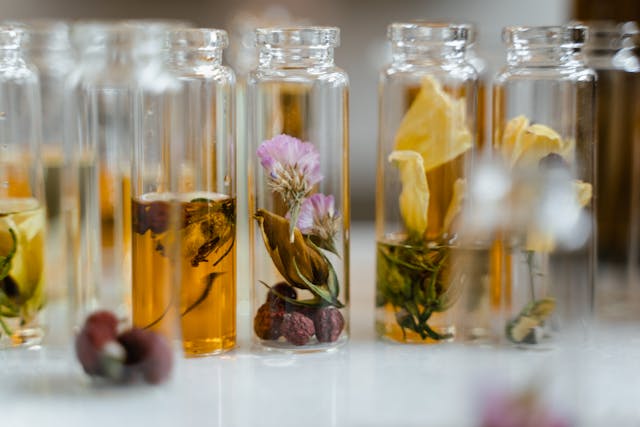
For me, it means taking a more intentional approach to fragrance: choosing ingredients carefully, knowing what I am using, and avoiding ingredients I personally prefer not to use.
A homemade natural perfume can be made with ingredients such as:
Essential oils
Botanical extracts or absolutes
Jojoba oil or another suitable carrier oil
Perfumer's alcohol for spray formulations
The biggest appeal of making your own perfume is the creative control.
You can create something fresh and citrusy, floral and romantic, warm and woody, earthy and deep, or completely different from anything you would find in a traditional perfume store.
What You Need to Make DIY Natural Perfume
You do not need expensive equipment or a laboratory to make a simple homemade perfume.
A few basic supplies are enough.
1. Essential Oils
Essential oils are where the fun begins.
When I started experimenting, I focused on a small selection from different fragrance families:
Citrus: bergamot, grapefruit, sweet orange
Floral: lavender, rose, jasmine
Woody: sandalwood, cedarwood
Earthy: patchouli
Warm and sweet: vanilla
You do not need dozens of oils to get started.
In fact, using a small selection makes it easier to understand which scent combinations you actually love.
I started with a beginner essential oil kit, which gave me plenty of different scents to experiment with.
2. Carrier Oil
For an oil-based perfume, you need a carrier oil to dilute the aromatic ingredients.
Jojoba oil is one of my favorite options because it feels light on the skin and works well as a perfume base.
Sweet almond oil is another option.
This is the jojoba oil I started with, and it has become a reliable base for many of my blends.
3. Perfumer's Alcohol
If you prefer a spray perfume instead of a roller, you can experiment with perfumer's alcohol.
Alcohol-based fragrances behave differently from oil perfumes and can give you a more traditional spray-perfume experience.
4. Glass Perfume Bottles
Small glass roller bottles are ideal for experimenting with oil-based perfumes.
Dark glass, such as amber or cobalt, can help protect light-sensitive ingredients.
I still use these simple roller bottles for many of my blends.
5. Droppers or Pipettes
Pipettes make measuring and transferring ingredients much easier.
I recommend keeping several extra pipettes on hand if you plan to make multiple blends.
6. A Perfume Notebook
This might be the least glamorous item on the list, but it quickly became one of my favorites.
Write down:
The ingredients
The amount of each ingredient
The date you made the blend
How it smells immediately
How it smells after a few hours
How it changes after several days
I like keeping everything in a dedicated perfume notebook.
It makes it much easier to recreate a blend when you finally find a combination you love.
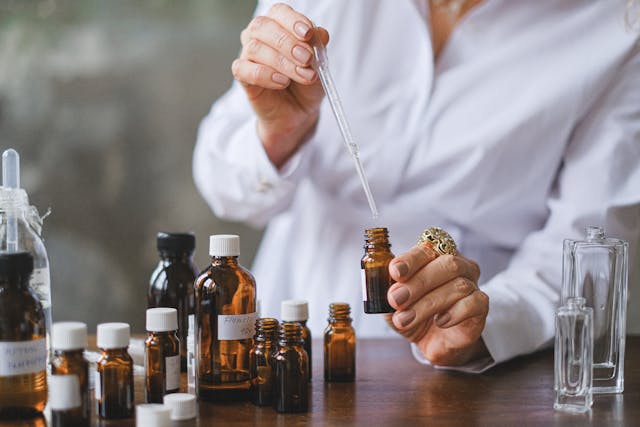
Understanding Perfume Notes
If you want to learn how to make perfume at home, understanding fragrance notes is one of the best places to start.
Perfumes are commonly described using three layers: top notes, middle notes, and base notes.
What Are Top Notes?
Top notes are usually the first aromas you notice after applying a fragrance.
They tend to be lighter and more immediately noticeable.
Examples include:
Bergamot
Lemon
Grapefruit
Sweet orange
Peppermint
What Are Middle Notes?
Middle notes form the heart of a perfume.
They usually become more noticeable after the initial top notes begin to fade.
Examples include:
Lavender
Rose
Geranium
Jasmine
What Are Base Notes?
Base notes provide depth and tend to remain noticeable for longer.
Examples include:
Sandalwood
Cedarwood
Patchouli
Vanilla
When creating your own perfume, think about balance.
Start with a base you love, add a middle note for character, and finish with a lighter top note.
You do not need a complicated formula. Experimentation is part of the process.
Why I Love Natural Perfume Layering
One of my favorite things about making my own fragrances is perfume layering.
Instead of trying to create one perfect scent, you can make several simple perfumes and combine them.
For example, you could wear a soft vanilla and sandalwood base, then add a little bergamot for freshness.
Or you could combine a floral rose blend with a warm woody perfume.
Layering gives you more options without needing a huge collection of finished perfumes.
You can even change your combination throughout the day.
A fresh citrus blend might work beautifully in the morning, while adding a warmer vanilla or sandalwood layer later can make the fragrance feel richer.
That is how my perfume collection started to feel more like a personal scent wardrobe.
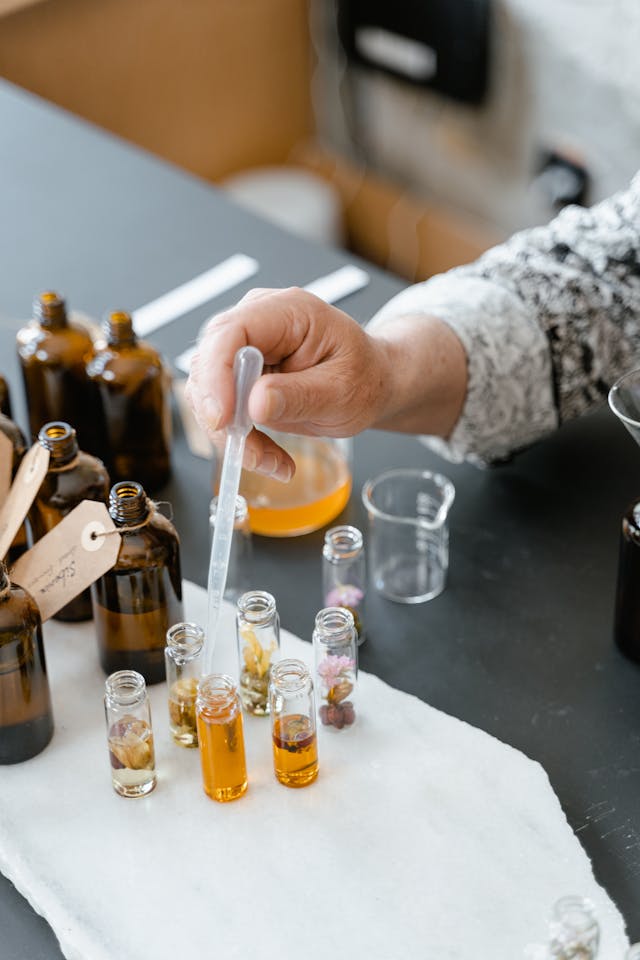
Oil-Based Perfume vs. Spray Perfume
If you are making perfume at home, one of the first decisions is whether you want an oil-based perfume or an alcohol-based spray.
Oil-Based Perfume
Oil perfumes are usually applied directly to pulse points using a roller bottle.
They are convenient, portable, and particularly easy to experiment with when you are learning about perfume layering.
They also tend to stay closer to the skin.
Spray Perfume
Alcohol-based perfumes are closer to the format of traditional fragrance sprays.
They evaporate differently from oil-based formulas and can provide more noticeable projection.
If you are completely new to DIY perfume, I would start with an oil-based roller because it is simple to experiment with in small quantities.
3 Easy DIY Perfume Combinations to Try
Once you have a few essential oils, you can start creating your own perfume combinations.
Here are three simple ideas.
1. Fresh and Clean
Base: Sandalwood + vanilla
Layer with: Bergamot + grapefruit
Bright and fresh with a soft, warm foundation.
2. Soft and Romantic
Base: Vanilla + cedarwood
Layer with: Rose + jasmine
Warm, floral, and gentle.
3. Cozy and Grounded
Base: Patchouli + sandalwood
Layer with: Sweet orange + cardamom
Warm, earthy, and especially nice when you want a deeper fragrance.
When layering, I usually apply the heavier scent first, wait briefly, and then add the lighter scent.
The two fragrances can then develop together on the skin.
How to Make an Essential Oil Perfume at Home
If you want to make your first DIY natural perfume, an oil-based roller is a simple place to begin.
You can experiment with a small 10 ml bottle using a few aromatic ingredients and a suitable carrier oil.
Beginner Essential Oil Perfume Recipe
For example:
10 ml jojoba oil
6 drops bergamot
4 drops lavender
3 drops sandalwood
1 drop vanilla
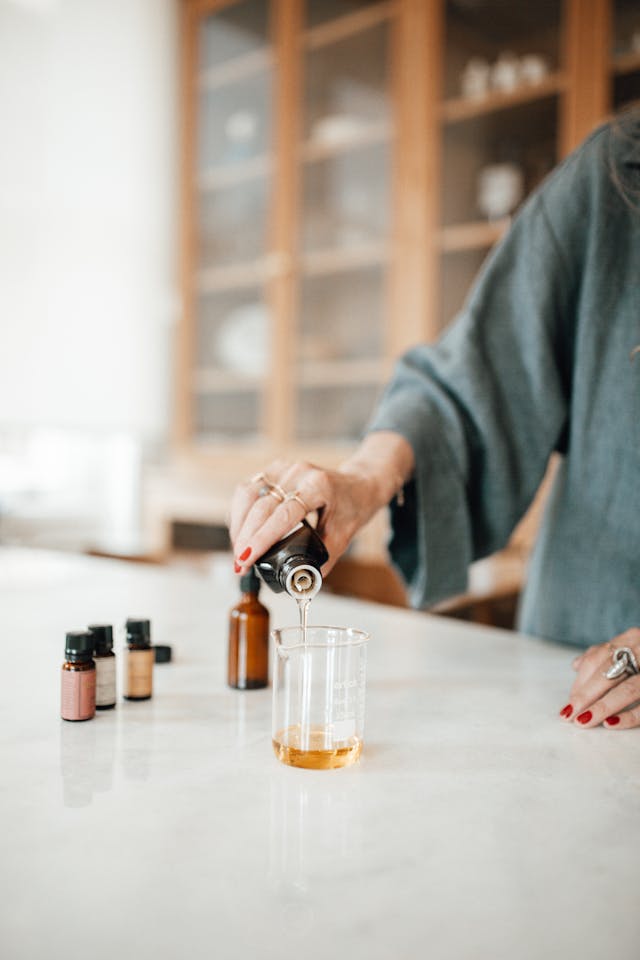
Add the aromatic ingredients to your roller bottle, then fill with jojoba oil.
Close the bottle and gently roll or invert it to mix.
Let the blend rest before deciding whether you love it. Fragrance can change as the individual aromas settle together, so smelling it again after a day or two can give you a better idea of the final character.
Important: Essential oils are highly concentrated. The appropriate skin dilution depends on the specific oils, their intended use, and the person using the product. Follow reputable safety guidance and the supplier's recommended dermal dilution rather than relying only on a drop-based recipe.
DIY Perfume Safety Tips
Natural does not automatically mean safe in every concentration.
Essential oils are concentrated substances, and some can cause skin irritation or photosensitivity.
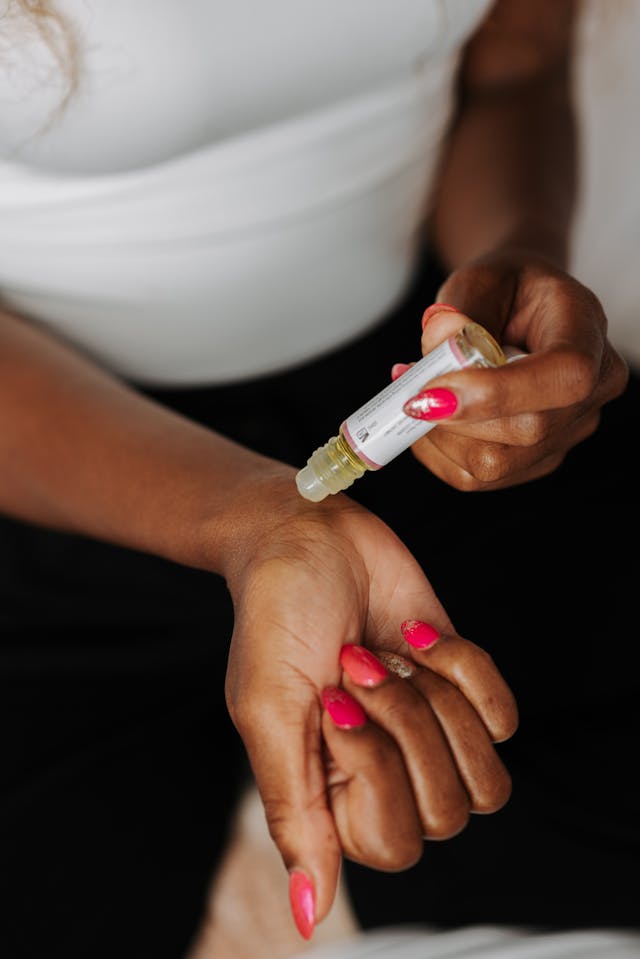
Keep these basic precautions in mind:
Always dilute essential oils before applying them to skin.
Patch test a diluted blend before wider use.
Check individual citrus oils for phototoxicity concerns.
Be particularly careful with bergamot unless you know that the product is suitable for topical use and its phototoxicity has been addressed.
Avoid contact with eyes and other sensitive areas.
Store perfume ingredients away from excessive heat and light.
Follow the safety information provided by the essential oil supplier.
If you are pregnant, breastfeeding, have allergies or sensitive skin, or are making perfume for a child, seek appropriate professional advice before using essential oils topically.
Frequently Asked Questions About DIY Natural Perfume
How do you make non-toxic perfume at home?
A simple homemade perfume can be made by combining appropriately diluted aromatic ingredients, such as essential oils, with a suitable carrier oil for an oil-based perfume. You can also create an alcohol-based spray using perfumer's alcohol.
Can you make perfume with essential oils?
Yes. Essential oils can be used as aromatic ingredients in homemade perfume. They should be diluted appropriately for topical use, and individual oils should be checked for their specific safety considerations.
What is the easiest perfume to make at home?
An oil-based roller perfume is one of the easiest formats for beginners. It requires a suitable carrier oil, a few aromatic ingredients, a glass roller bottle, and a way to measure the ingredients.
How do you layer natural perfume?
Start with the heavier or deeper fragrance, such as a woody or warm base, and then add a lighter fragrance such as citrus or floral. Experiment with small amounts until you find a combination you enjoy.
What essential oils smell good together?
Some combinations worth experimenting with include bergamot and sandalwood, lavender and vanilla, rose and cedarwood, grapefruit and sandalwood, and sweet orange and patchouli.
The best perfume combination is ultimately the one that suits your personal preferences.
How long does homemade perfume last?
The shelf life depends on the ingredients, concentration, storage conditions, and packaging. Store homemade perfume tightly closed and away from excessive heat and light. If the smell, appearance, or texture changes noticeably, it is best to discard it.
Making my own perfume started as a small experiment, but it quickly became something I genuinely enjoy.
I love being able to try different ingredients, create new combinations, and find scents that feel right for me.