
If you've ever Googled "natural glowing skin routine" at 2 a.m. — scanning ingredient lists and quietly panicking about everything you've ever put on your face — this one's for you.
The clean beauty world can feel overwhelming at first. There's a lot of noise, and plenty of products that call themselves "natural" while hiding a paragraph of synthetic chemicals in the fine print. But a good clean morning skincare routine really comes down to a few intentional steps, done consistently, with ingredients you can genuinely trust.
This is a simple, low-tox morning routine that's easy enough for anyone to follow — and effective enough to actually show results. Start to finish, it takes under 10 minutes.
Why your morning routine matters more than you think
Your skin repairs itself overnight. By morning, your job is to protect that work, replenish what your skin needs, and build a barrier against whatever the day throws at it — pollution, UV exposure, and everyday environmental stress.

A clean morning routine does all of that without the synthetic fragrance, potential hormone disruptors, or harsh chemicals that can quietly interfere with your skin — and your health — over time. Once you have it dialed in, it takes less than 10 minutes.
Here's the full 7-step routine, in the exact order you'll apply it.
Step 1: A gentle, non-toxic cleanser — because stripping your skin isn't the goal

Morning cleansing has one job: removing overnight oil, sweat, and any residue from your nighttime routine. That's it. It doesn't need to be intense.
Your skin has a natural protective barrier — its first line of defense. A gentle cleanser respects that barrier. A harsh one strips it away, and your skin spends the rest of the day trying to recover.
What to look for:
Free from SLS, synthetic fragrance, and parabens
Leaves skin soft and comfortable — not tight, not squeaky
Suited to your skin type
What to avoid:
Strong foaming cleansers with harsh surfactants
Anything that leaves that "squeaky-clean" feeling — in clean beauty, that's a red flag, not a sign it worked
Step 2: A hydrating toner or essence — the low-tox step worth adding
Right after cleansing, your skin is primed to absorb. A clean hydrating toner or essence takes advantage of that window: it adds lightweight moisture, preps your skin for the next steps, and — when it's formulated thoughtfully — can even support your skin's natural microbiome.
Ingredients to look for:
Aloe vera
Rose water
Fermentation-derived hyaluronic acid
Glycerin from natural sources
Ingredients to skip:
Alcohol denat. high on the ingredient list — drying and irritating over time
Synthetic fragrance — one of the most common hidden irritants in skincare
Think of it as a glass of clean water for your face before the rest of the routine.

Step 3: A clean vitamin C serum — your glow's hardest worker
If one step makes a visible difference in radiance, it's this one — and effective vitamin C serum absolutely exists in clean, non-toxic formulations.
What a clean vitamin C serum does:
Brightens dull, uneven skin tone
Fades dark spots and hyperpigmentation over time
Supports your skin's natural collagen production
Helps defend against daily environmental damage — pollution, free radicals, UV exposure
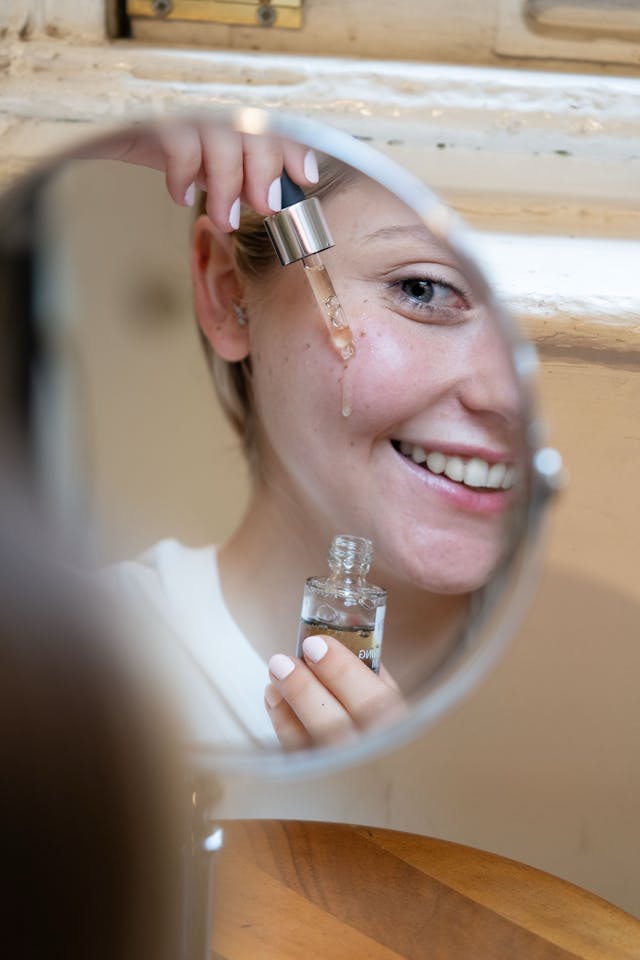
A few drops, pressed gently into the skin. The only real requirement is consistency: this is a daily step, not an occasional one. The results are cumulative — and worth it.
Step 4: A clean moisturizer — because hydration is what "glow" actually is
Skipping moisturizer because your skin feels oily is one of the most common skincare mistakes. Dehydrated skin overproduces oil to compensate, so skipping this step often makes things worse, not better.

What to look for:
Free from synthetic fragrance and pore-clogging silicones
Plant-based humectants and emollients
A comfortable finish all day — not heavy, not greasy
The science of glow is simple: hydrated skin reflects light better. Clean formulas deliver that beautifully — you don't have to compromise on results to choose better ingredients.
Step 5: Mineral sunscreen — the step that protects everything else
UV exposure is the leading cause of dark spots, uneven tone, dullness, and most visible signs of aging. If you're intentional about the rest of your routine but skip SPF, a big chunk of that effort gets undone every time you step outside.
Mineral vs. chemical sunscreen at a glance
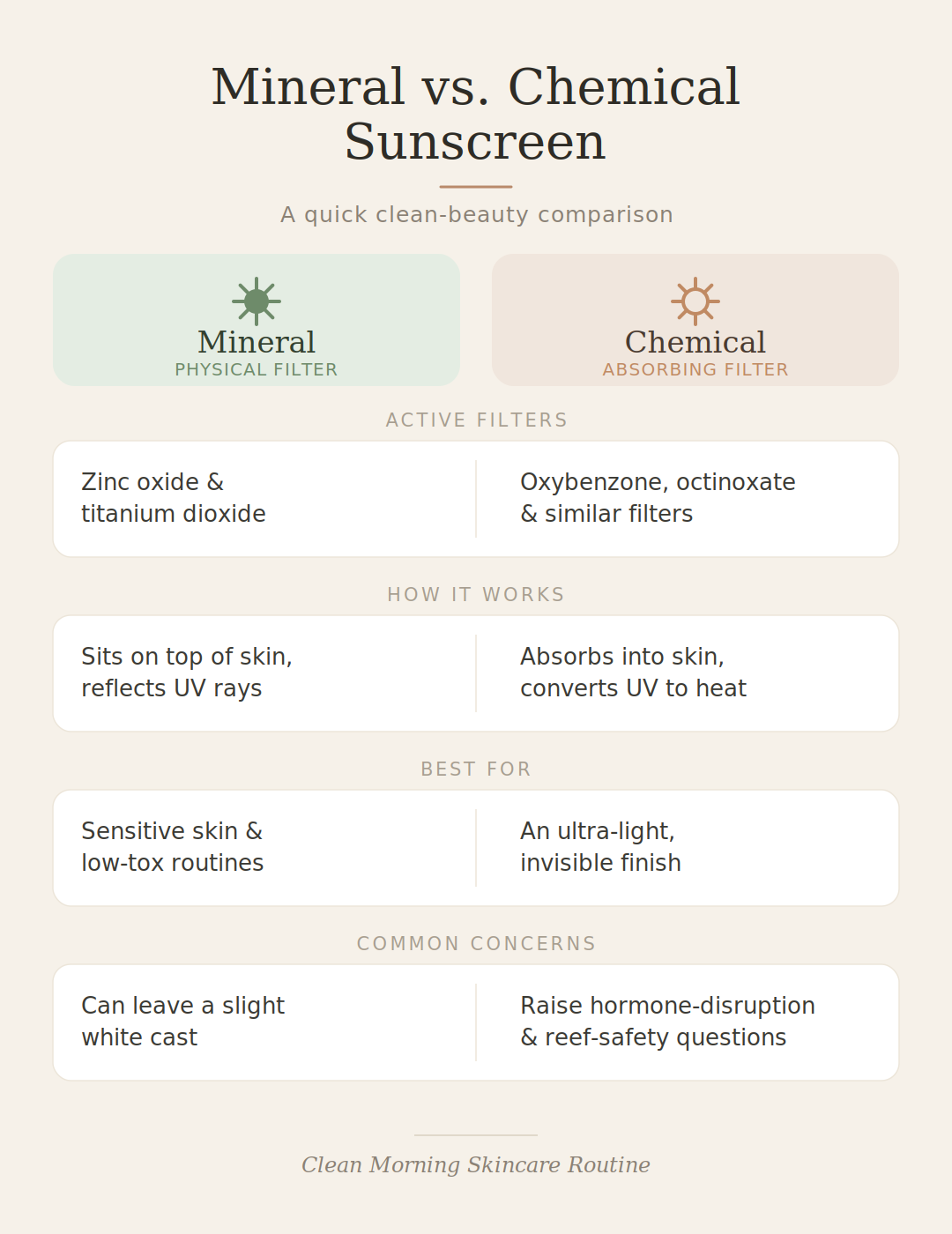
Finding a lightweight mineral SPF you genuinely enjoy wearing may take a little trial and error. But once you do, it becomes the easiest step to keep — and the most important one you own.
Step 6: Clean lip balm — because your lips are skin too
Dry, flaky lips quietly undercut an otherwise great routine. Lip care isn't an afterthought in clean beauty — it's part of the practice.
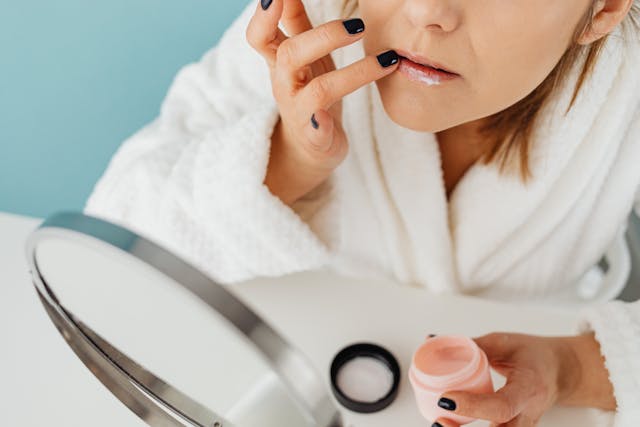
What to look for:
Shea butter
Jojoba oil
Vitamin E
What to skip:
Petrolatum
Artificial fragrance
Apply it while your other products absorb. Small step, real payoff.
Step 7: The lifestyle piece — because your skin reflects how you live
Skincare doesn't end at the bathroom mirror, and your skin knows it.
Daily habits that visibly improve skin:
Drinking enough water throughout the day
Sleeping 7–8 hours — your skin does its deepest repair while you rest
Eating antioxidant-rich whole foods: fruits, vegetables, healthy fats
Managing stress, because cortisol is a real and underrated glow-killer
Keeping makeup tools clean so bacteria doesn't build up
Thinking about your home environment too — your skin absorbs more than just what you apply directly
Your skin reflects your lifestyle more than any single serum ever could.

Your clean morning routine at a glance
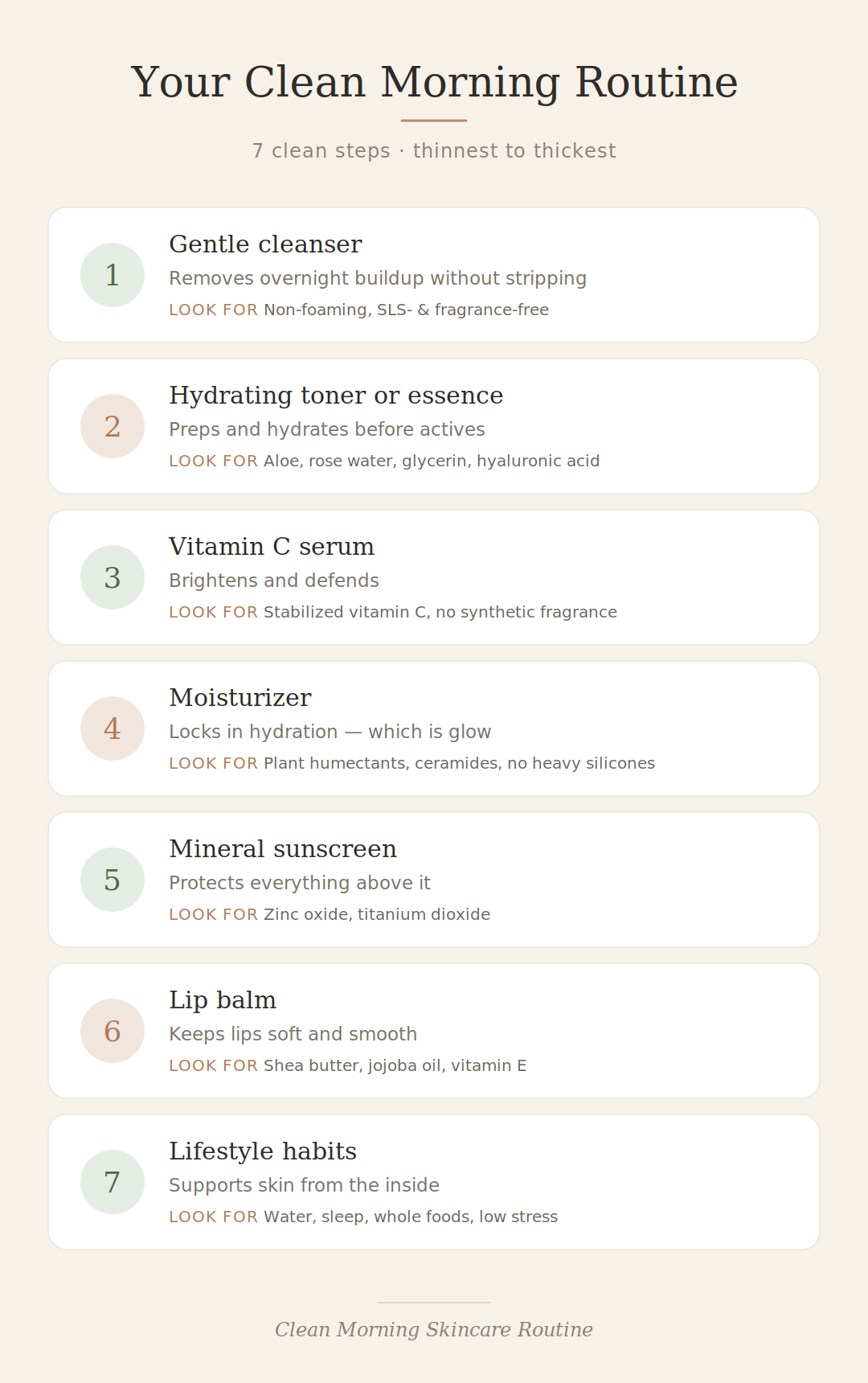
Short on time? Here's the whole routine in one place — thinnest to thickest, in application order.
How to customize this routine for your skin type
The 7 steps stay the same — you just adjust the textures and how cautiously you introduce actives.
Oily or acne-prone: A gel cleanser and a lightweight, gel-based moisturizer. Choose a non-comedogenic mineral SPF. Don't skip moisturizer — that's what triggers extra oil in the first place.
Dry: A cream or milk cleanser, plus a richer moisturizer (look for ceramides, squalane, and shea). A few drops of facial oil after moisturizer can seal everything in.
Combination: Keep the base lightweight, then layer something richer only on drier areas like the cheeks.
Sensitive: Fragrance-free everything, minimal actives, and introduce vitamin C slowly (every other day at first). Mineral SPF is usually the most comfortable choice.
Mature: Prioritize antioxidants (vitamin C), deep hydration, and daily SPF. Peptides are a gentle, clean-friendly addition worth exploring.
Ingredients to avoid at a glance
A quick red-flag reference for a low-tox routine. "Clean" is personal, so treat this as a common starting point — not a rulebook.
Synthetic fragrance / parfum
Parabens
SLS and SLES
Phthalates
Oxybenzone and octinoxate (chemical UV filters)
Formaldehyde-releasing preservatives
High alcohol denat. near the top of the list
How long until you see results?
Clean skincare works — but it works on your skin's timeline, not overnight. Rough expectations:
Hydration and glow: a few days to ~2 weeks
Brightening from vitamin C: 4–8 weeks
Dark spots and uneven tone: 8–12+ weeks
Overall skin health: ongoing, and it compounds
Consistency beats intensity every single time. Give a product at least 4–6 weeks before deciding it isn't working.
New to clean skincare? Build your routine in stages
You don't need all seven steps on day one. Add them as they become habit:
Start with the three non-negotiables: a gentle cleanser, a moisturizer, and mineral sunscreen.
Add vitamin C once that base feels automatic.
Then layer in a hydrating toner/essence and lip balm.
Patch-test every new product — especially actives. Dab a little on your inner arm or jaw for a few days before applying it all over your face.
Common morning skincare mistakes to avoid
Layering too many actives at once — even natural ones can overwhelm your skin
Washing with hot water — it disrupts your skin barrier every single time
Over-exfoliating — far more harm than good
Switching products too soon — before they've had time to actually work
Skipping sunscreen — the most common and most costly mistake in any routine
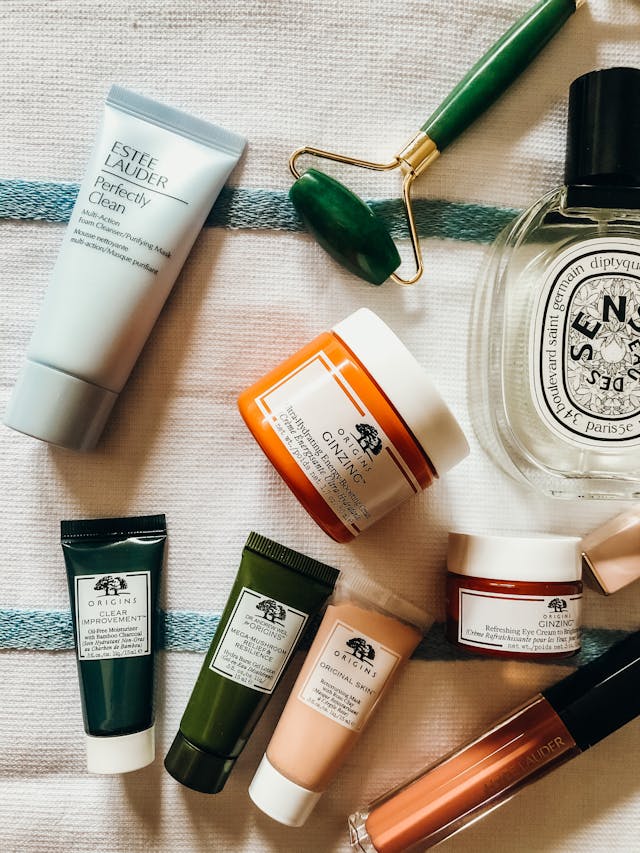
Simple routines outperform chaotic ones. In clean beauty especially, more is rarely better.
Glowing skin is built, not bought
You don't need a full shelf of products. You need a few steps you can trust, done every morning, with ingredients that work for you — not against you.
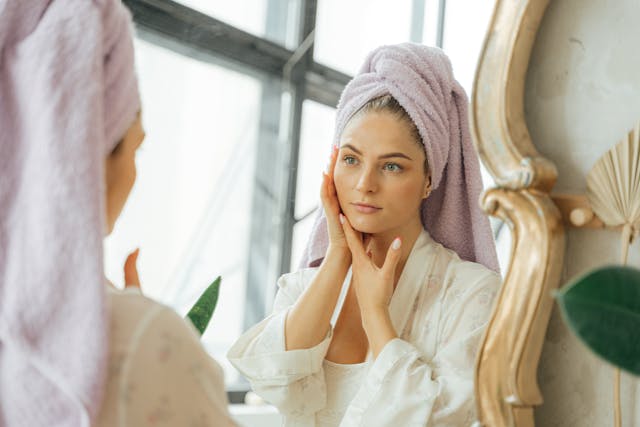
Show up for your skin consistently. Choose better ingredients where you can. And let time do what it does.
Glow slowly. Glow sustainably. Glow cleanly.
FAQ
In what order should I apply my morning skincare?
Go from thinnest to thickest texture: cleanser, then hydrating toner or essence, then vitamin C serum, then moisturizer, and always finish with mineral sunscreen. Lip balm can go on anytime while other products absorb.
How long should a clean morning routine take?
Under 10 minutes once you're used to it. Most steps take under a minute — the main thing is doing them consistently, not quickly.
Do I really need a toner in a clean routine?
It's optional but worth it. A clean hydrating toner or essence adds lightweight moisture and helps the steps that follow absorb better. Skip anything with high alcohol denat. or synthetic fragrance.
Is mineral sunscreen better than chemical sunscreen?
For sensitive skin and a low-tox lifestyle, many people prefer mineral SPF because zinc oxide and titanium dioxide sit on top of the skin instead of absorbing in. Both protect your skin when applied properly — the "best" one is the one you'll actually wear every day.
Can a clean vitamin C serum really brighten skin?
Yes. A well-formulated, non-toxic vitamin C serum can brighten dull tone, fade dark spots over time, and support collagen — as long as you use it daily. Results are cumulative, so give it several weeks.
Do I need all 7 steps, or can I start smaller?
You can absolutely start smaller. The three non-negotiables are a gentle cleanser, a moisturizer, and mineral sunscreen. Add vitamin C, then a toner/essence and lip balm as each step becomes a habit.
What's the difference between a morning and a night skincare routine?
Mornings are about protection — hydration, antioxidants like vitamin C, and sunscreen to defend your skin all day. Nights are about repair, so you skip SPF and can add richer treatments or gentle actives while your skin regenerates as you sleep.