I remember standing in my kitchen one afternoon, stirring soup in my beloved non-stick pan, and suddenly wondering — wait, is this thing actually safe? I'd had that pan since uni. It was scratched in about four places, and I'd never once thought twice about it.
That little moment of curiosity sent me down a rabbit hole I honestly wasn't prepared for. The short version? A lot of the everyday stuff we use in the kitchen — the stuff that feels totally normal because we've used it forever — isn't exactly doing us any favours. This post is my honest run-through of the non-toxic kitchen swaps that actually made sense to me: the easy, realistic ones that don't require you to start making your own beeswax wrap from scratch.
I'm not here to scare you. I genuinely dislike those doom-and-gloom wellness posts that leave you feeling like you're slowly poisoning yourself. I just want to share the low-tox swaps that were worth it — and be honest about which ones felt more like a nice-to-have.
You don't have to overhaul everything at once. You just have to start somewhere — and most of these swaps are easier (and prettier) than you'd expect.
Why your kitchen might not be as "safe" as you think
Here's the thing — most of us grew up using plastic containers, non-stick pans, and cling film without a second thought. They're cheap, convenient, and totally mainstream. So it feels a little alarming to learn that some of them can leach chemicals into your food, especially when heated.
The usual suspects:
PFAS ("forever chemicals") found in many non-stick coatings — they don't break down easily in the body or the environment, and research links some of them to reduced immune function and other health effects (NIEHS overview).
BPA and phthalates in plastics, which can mimic hormones and interfere with the endocrine system (NIEHS on bisphenol A).
Formaldehyde and VOCs that can off-gas from certain treated boards and kitchen tools.
Heavy metals like lead or cadmium that occasionally show up in cheap ceramics or enamelware.
I'm not saying this to freak you out — I'm saying it because once I knew, I couldn't unknow it. The good news: the swaps are genuinely not that hard.
Non-toxic kitchen swaps at a glance
Short on time? Here's the whole list in one place. The biggest priority is anything that touches heat — that's where leaching is most likely.
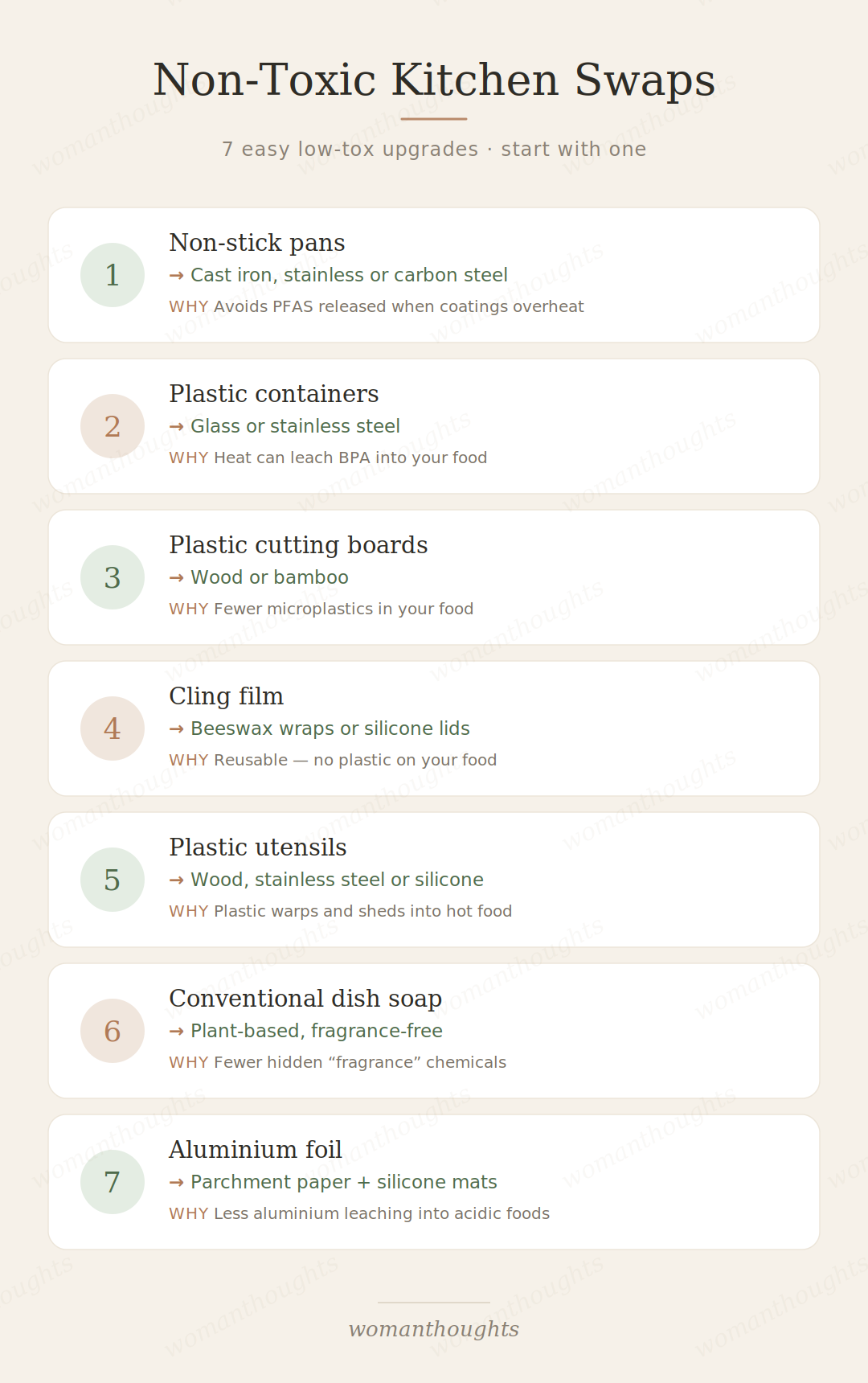
The 7 non-toxic kitchen swaps worth making
These are the ones I've personally made, or are on my list. I'll be honest about what made a real difference and what felt more like a nice-to-have.
Swap 1: Non-stick pans → cast iron, stainless steel, or carbon steel
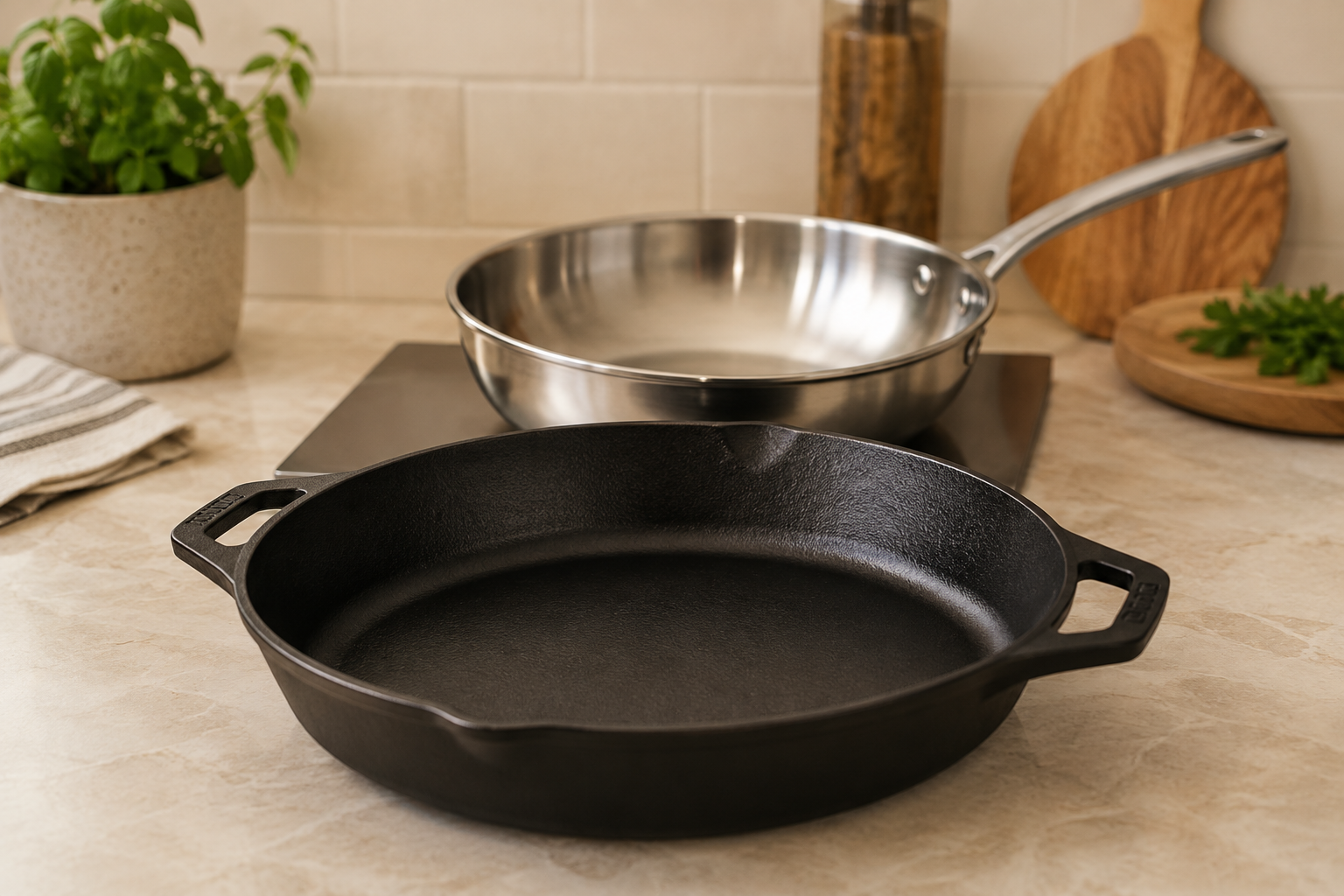
Cast iron and stainless steel pans as PFAS-free swaps for non-stick cookware
Why it's a problem: Conventional non-stick pans — especially the scratched, well-loved ones — can release PFAS chemicals when overheated. Some of these have been linked to hormonal disruption and don't clear from the body easily.
What to use instead: A cast iron skillet for most things, and a stainless steel pan for anything acidic. There's a small learning curve (cast iron needs seasoning, stainless needs a little patience), but honestly? I cook better now. The food tastes different — in the best way.
I switched to a good stainless steel frying pan and it made the move away from non-stick surprisingly easy — once you get the hang of heat and a bit of oil, nothing really sticks. It's especially great for vegetables, eggs (with practice), and anything acidic you wouldn't cook in cast iron.
If you want something closer to non-stick, a carbon steel pan is incredible — lighter than cast iron, and it builds a natural non-stick surface over time.
I still keep one ceramic-coated pan for eggs, because I'm human and some mornings need easy. Look for brands that are clearly PFAS-free and PTFE-free — they exist, and they work beautifully.
Swap 2: Plastic containers → glass or stainless steel
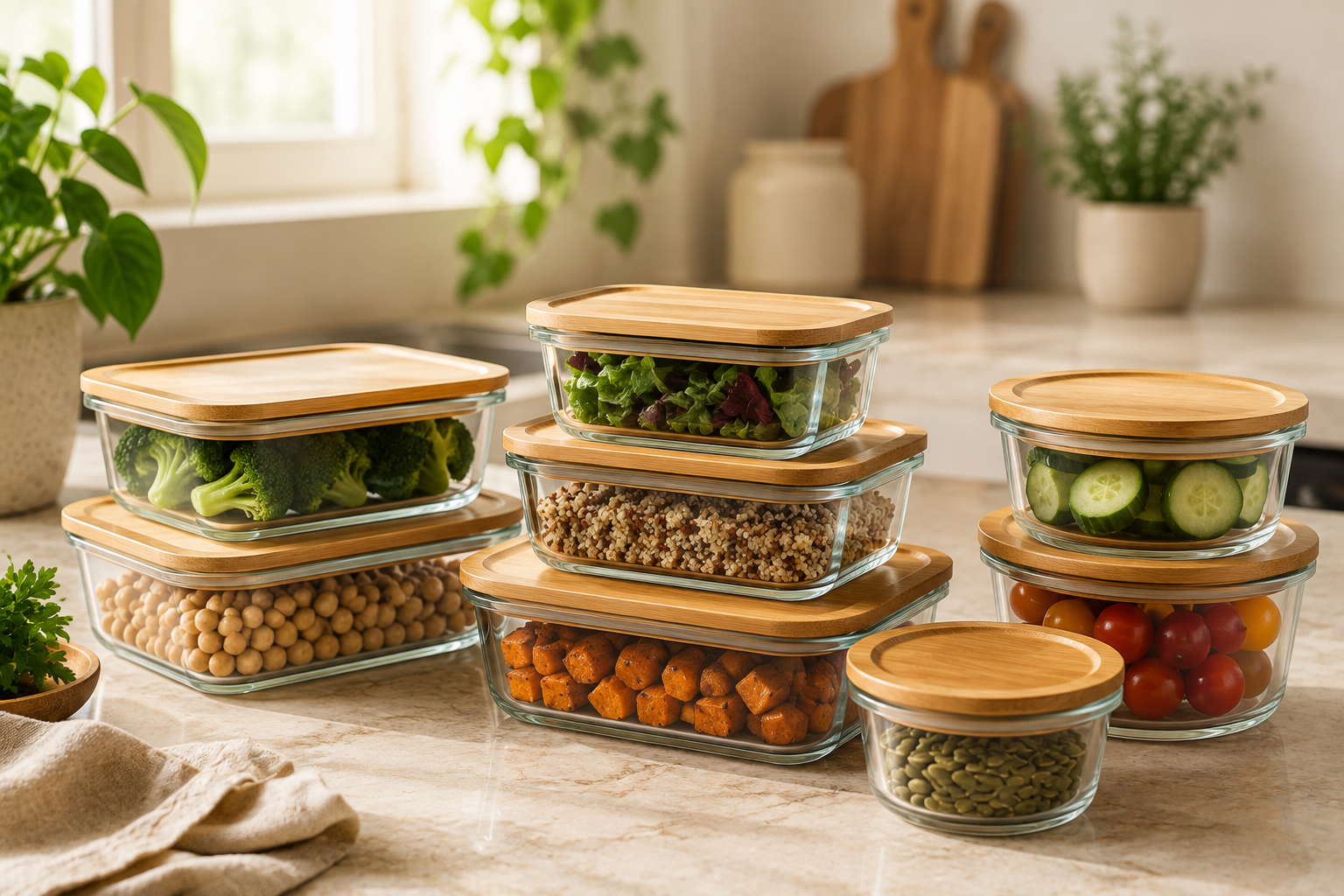
Glass food storage containers with bamboo lids replacing plastic containers
Why it's a problem: Storing leftover pasta in a plastic container and microwaving it the next day used to be my whole personality. What I didn't realise is that heat causes plastic to leach chemicals — including BPA and its substitutes (BPS, BPF) — straight into your food.
What to use instead: Glass containers with bamboo or stainless lids.
I switched to glass containers with bamboo lids — they look so much nicer in the fridge, don't absorb smells, and last forever. Borosilicate glass is especially good because it's thermal-shock resistant.
Budget tip: You don't need to replace everything at once. Start with the containers you use most — especially anything you heat food in. Mason jars are a great (and very affordable) option for meal prep too.
Swap 3: Plastic cutting boards → wood or bamboo
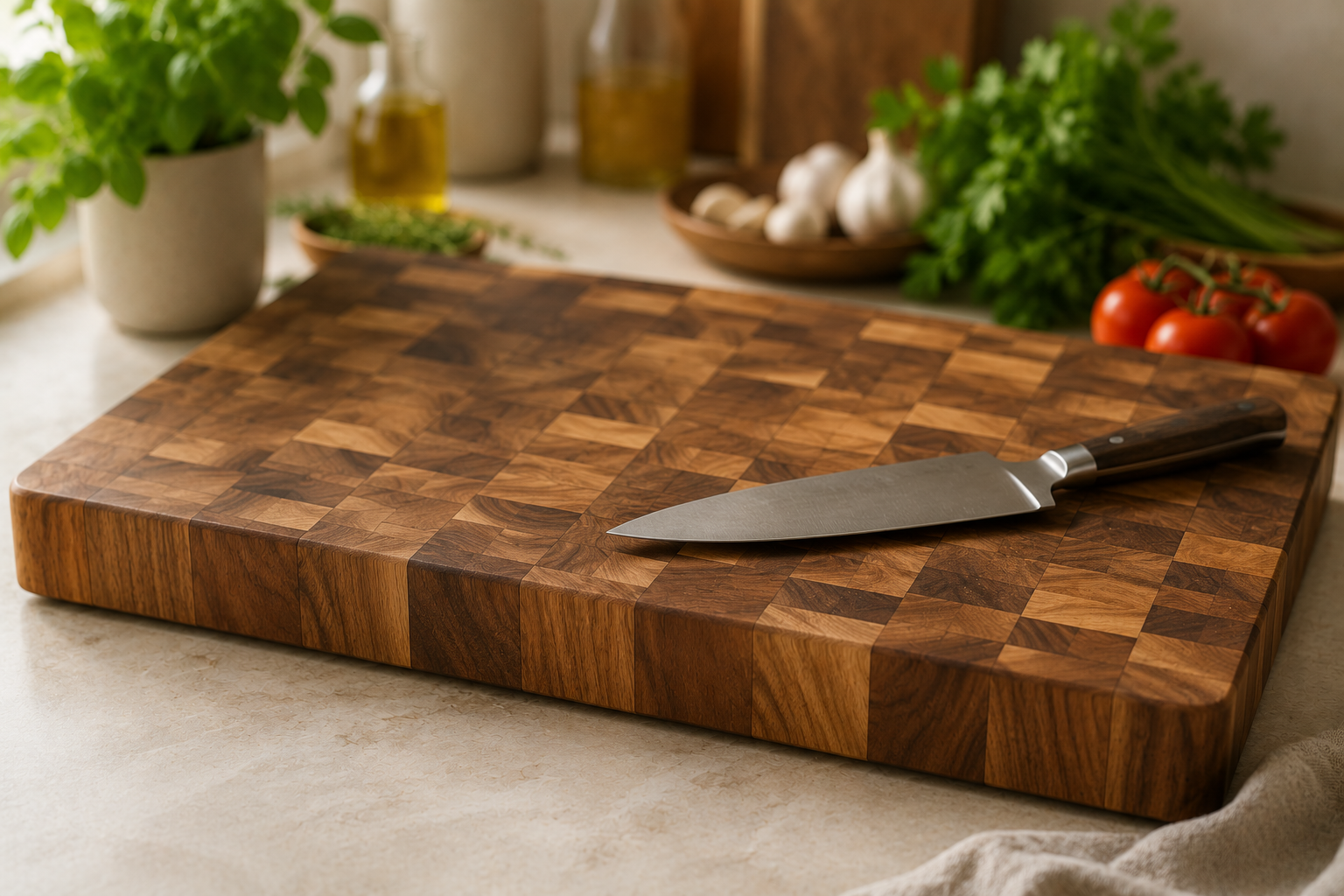
Wooden end-grain cutting board as a non-toxic alternative to plastic boards
Why it's a problem: A 2023 study in Environmental Science & Technology estimated that chopping on a plastic board could release roughly 14–71 million microplastic particles into your food each year. That image alone was enough for me. (To be fair, the same study's toxicity test found no acute harm to cells — so I treat this as a good reason to switch, not to panic.)
What to use instead: Wooden and bamboo boards are naturally more antimicrobial (teak and hardwood especially) and don't shred the same way. They do need occasional oiling with food-grade mineral oil or beeswax — but that takes five minutes and makes them look gorgeous.
What I use: an end-grain hardwood board for chopping and a smaller bamboo board for everyday prep. Both have outlasted every plastic one I ever owned.
Swap 4: Plastic wrap → beeswax wraps or silicone lids
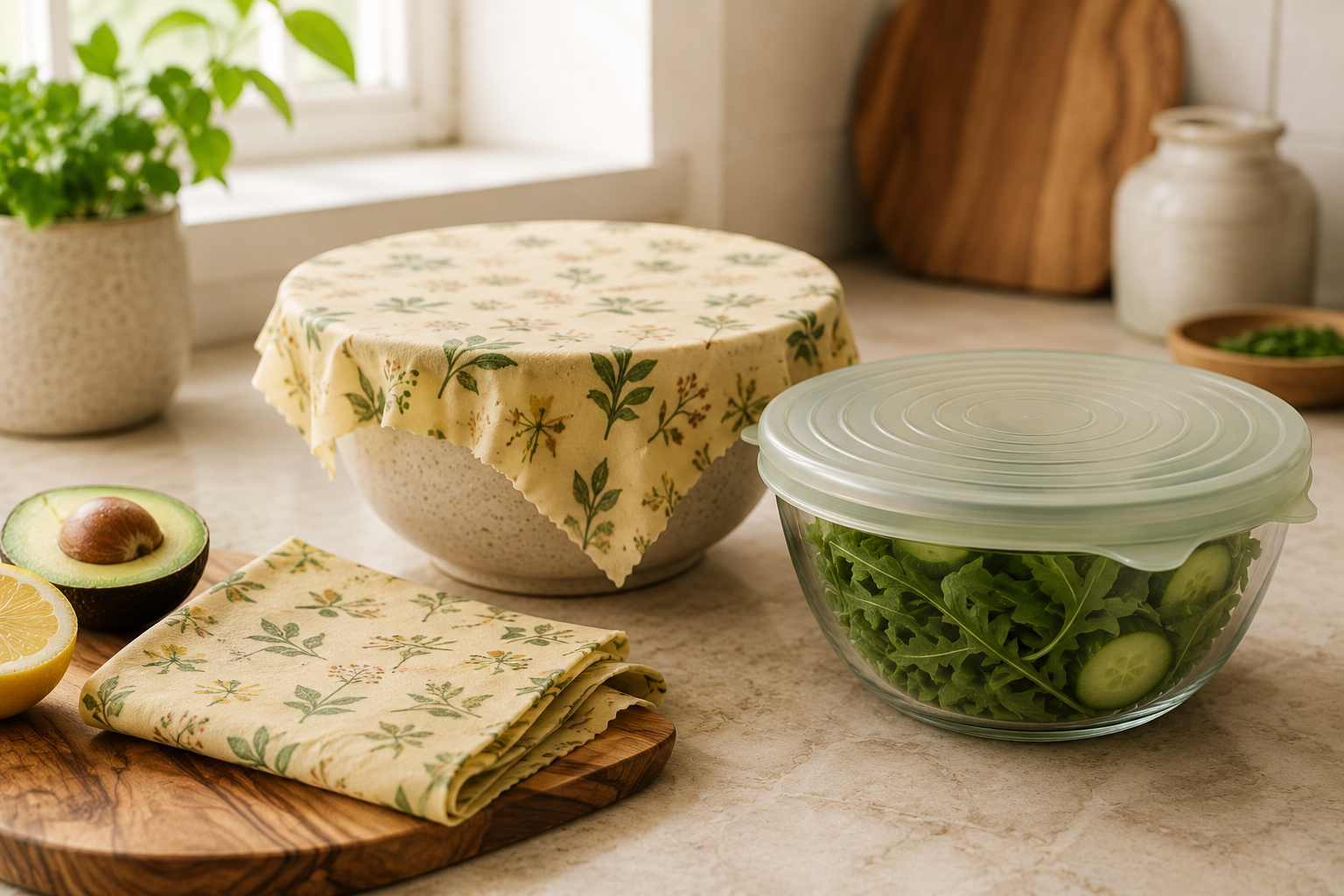
Beeswax food wraps and silicone stretch lids replacing single-use plastic wrap
Why it's a problem: Single-use cling film isn't only wasteful — it can also leach chemicals onto food, especially anything fatty or acidic it touches directly.
What to use instead: Before you scroll past — I promise this isn't a DIY suggestion. You can buy beeswax wraps ready-made and they genuinely work for covering bowls, wrapping cheese, or storing cut fruit. For a fully vegan option, silicone stretch lids are a total game-changer — they fit over bowls, pots, mugs, almost anything, and they're reusable essentially forever.
Vegan note: Look for plant-based wax wraps made with candelilla wax instead of beeswax — they work just as well.
Swap 5: Plastic utensils → wood, stainless steel, or silicone
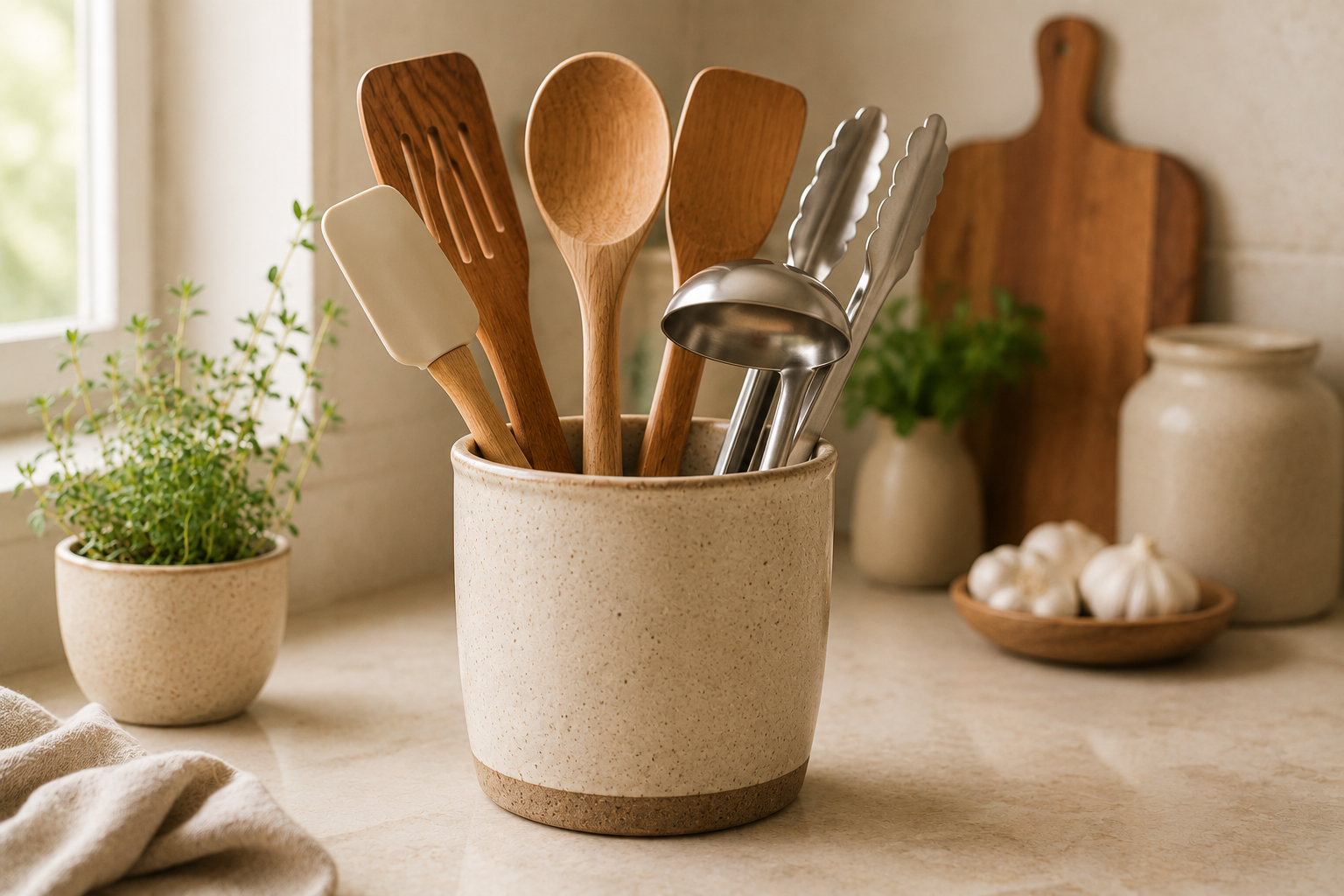
Wooden spoons and silicone spatulas replacing plastic cooking utensils
Why it's a problem: Stirring a hot curry with a plastic spoon feels totally normal — until you notice the spoon has warped slightly from the heat. That warping? That's plastic going somewhere. Probably your food.
What to use instead: Wooden spoons and spatulas for most things, high-quality silicone spatulas for anything that needs flexibility, and stainless steel tongs and ladles to round things out. I replaced most of mine with a set of wooden utensils and a couple of good silicone spatulas — such a small swap, but it changed how my kitchen feels.
Quick tip: When buying silicone, look for food-grade, BPA-free silicone and avoid the super-cheap ones — quality matters here.
Swap 6: Conventional dish soap → plant-based formulas
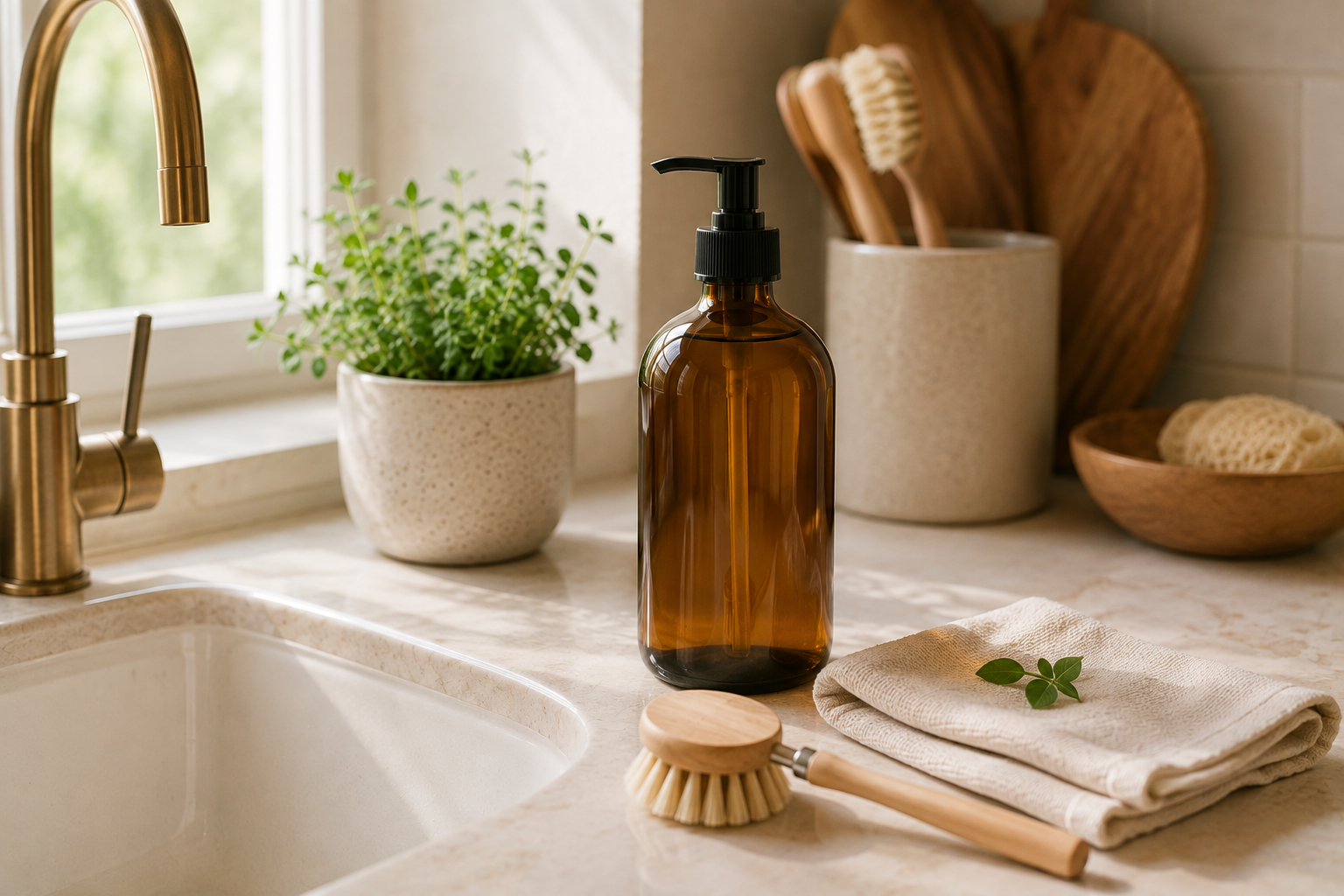
Plant-based fragrance-free dish soap in a refillable bottle
Why it's a problem: Many conventional dish soaps contain synthetic "fragrance" (which is legally allowed to hide hundreds of undisclosed chemicals) and harsh surfactants that can linger on dishes and cookware.
What to use instead: A plant-based, fragrance-free or naturally scented dish soap. Brands with transparent ingredient lists have come a long way — they clean well, lather nicely, and don't leave that weird film.
What to look for: Short ingredient lists, no "fragrance" or "parfum," and ideally a biodegradable formula. Bonus points if it's refillable — less plastic all round.
Swap 7: Aluminum foil → parchment paper + silicone baking mats
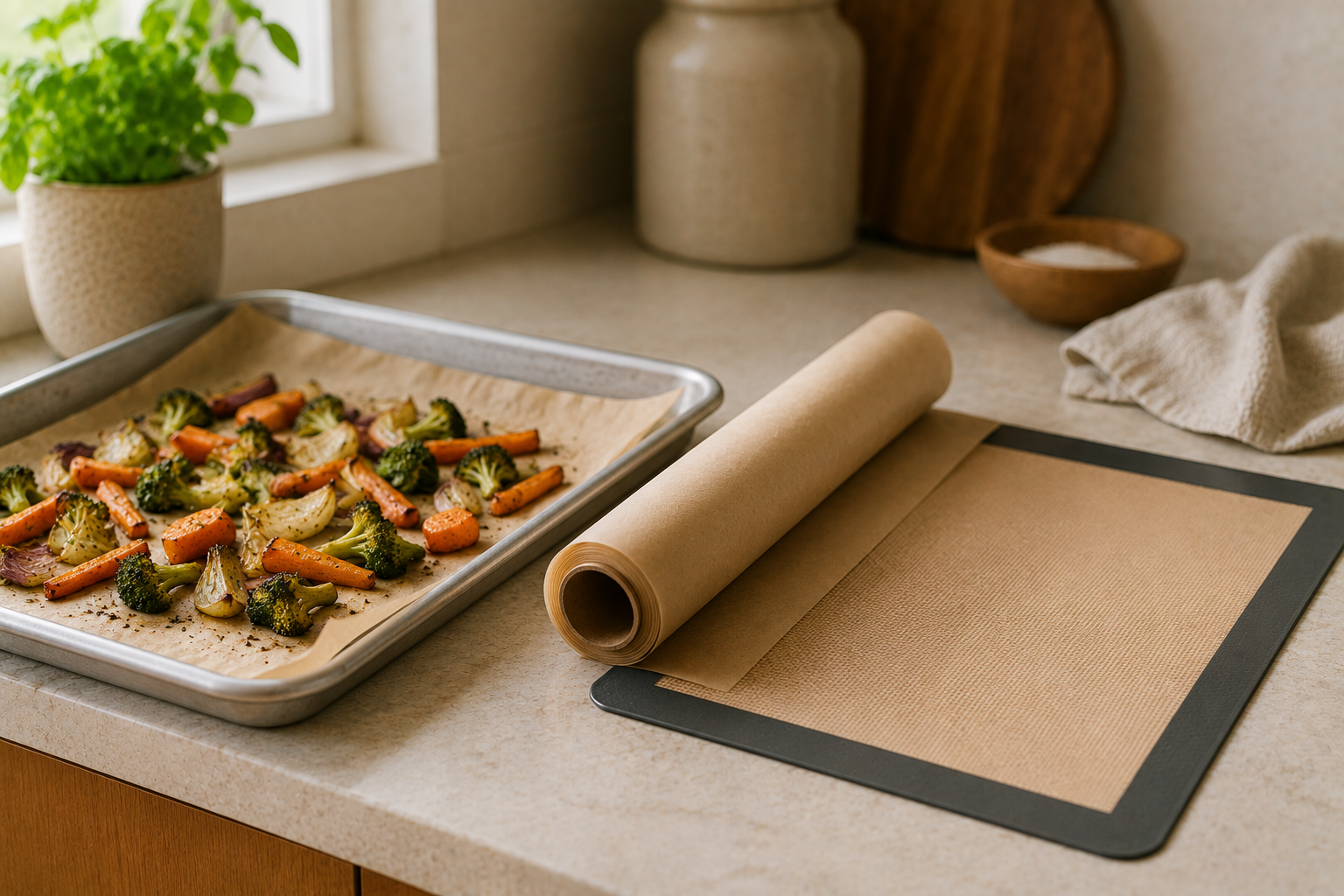
Unbleached parchment paper and a silicone baking mat as alternatives to aluminium foil
Why it's a problem: Cooking acidic foods (tomatoes, lemon-based marinades) directly on aluminium foil can increase how much aluminium leaches into your food. It's one of those things I hadn't thought about until I looked into it.
What to use instead: Unbleached parchment paper for baking and roasting, and a silicone baking mat for anything you make repeatedly. It's reusable for years, nothing sticks, and I've cut my foil use down dramatically.
Good to know: Look for chlorine-free, unbleached parchment paper — some conventional versions are bleached with chlorine compounds. Small detail, still worth it.
What actually made the biggest difference
Honestly? Swapping the pans and the plastic containers had the most noticeable impact on how I felt about my kitchen day-to-day. Not because I could suddenly feel a physical difference (it doesn't work like that), but because I stopped feeling a low-level anxiety every time I cooked.
I used to get that little flicker of "is this okay?" when I'd scratch my non-stick pan or microwave something in plastic. Getting rid of those specific things just… quieted the noise. And that matters.
I'll be honest: I haven't replaced everything. I still have some plastic in my kitchen. I still use foil occasionally. This isn't about being perfect — it's about making better choices where it's practical and sustainable for your actual life.
How to start without overwhelm
If this feels like a lot — it's okay. I felt that too. Here's how I actually approached it:
Pick one thing. Just one. Maybe the cutting board, maybe the containers. Don't try to swap your whole kitchen in a weekend.
Replace as things wear out. When a plastic container cracks or a utensil warps, replace it with a low-tox version instead of more plastic.
Use what you already have. Got mason jars? Use them for storage. Have stainless pots? Already a great swap. You likely have more good options than you think.
Focus on heat contact. The highest-priority swaps are anything that gets heated — pans, containers you microwave, utensils touching hot food. That's where leaching is most likely.
Don't let perfect be the enemy of better. A kitchen that's 60% low-tox beats waiting until you can afford to do it 100% at once.
Small swaps, real difference
Making your kitchen a little safer doesn't have to mean overhauling your whole life, spending a fortune, or suddenly becoming someone who makes their own cleaning products (unless that's genuinely your thing — in which case, amazing).
It just means being a little more intentional, one swap at a time. Your health is worth the small effort — and so is the peace of mind that comes with knowing your kitchen is working for you, not against you.
You've already taken the first step just by reading this. That counts.
FAQ
Are non-stick pans actually toxic?
Modern non-stick pans are generally considered safe at normal cooking temperatures, but scratched or overheated coatings can release PFAS-related compounds. If your non-stick pans are old or damaged, swapping to cast iron, stainless, or carbon steel — or a certified PFAS-free/PTFE-free pan — is the safer bet.
What is the safest cookware for everyday cooking?
Cast iron, stainless steel, and carbon steel are the most durable low-tox options and last for decades. For anything acidic, choose stainless steel. If you want a non-stick feel, a well-seasoned carbon steel pan or a certified PFAS-free ceramic pan is a good middle ground.
Is it safe to cook with aluminum foil?
Occasional use is generally fine, but cooking acidic foods directly on aluminium foil can increase how much aluminium ends up in your food. For everyday roasting and baking, unbleached parchment paper or a silicone baking mat is a lower-tox choice.
Are plastic cutting boards bad for you?
Plastic boards shed microplastics as the surface gets scored by your knife, and research suggests this can add up over a year of use. Wooden and bamboo boards don't shred the same way and are naturally more antimicrobial — just oil them occasionally to keep them in good shape.
Where should I start if I can't replace everything at once?
Start with anything that touches heat: your most-used pan and the containers you microwave in. Those are where chemical leaching is most likely, so they give you the biggest benefit for the smallest number of swaps.