This post contains affiliate links. If you make a purchase through these links, I may earn a small commission at no extra cost to you. View full disclosure.
There was a time when my skincare routine looked impressive on paper but quietly sabotaged my skin in reality. My bathroom shelf sparkled with promises: anti-aging, pore refining, brightening, and perfecting. Yet my reflection told a different story. Redness lingered like an unwelcome guest. Breakouts arrived unannounced. My skin felt reactive, confused, and exhausted.
Switching to low tox beauty products was not an overnight miracle. What surprised me most was how small changes created the biggest improvements. It was a slow, intentional migration. One swap at a time. One label read at midnight. One brave goodbye to products I thought I needed.
What followed was not perfection. It was something better. My skin became calmer, more balanced, and far less reactive.
If you have been curious about clean beauty swaps, this guide shares the low-tox beauty changes that truly transformed my skin, plus how you can make the transition without feeling overwhelmed.
What Is Low Tox Beauty and Why Does It Matter?
Low-tox beauty refers to products that avoid ingredients some people prefer to limit due to potential irritation or sensitivity. This often includes avoiding parabens, phthalates, synthetic fragrance, formaldehyde releasers, and harsh sulfates. Many dermatologists now recommend barrier-supporting routines instead of harsh treatments.
The goal is not fear. It is support.
Your skin is not just a surface. It is a living barrier. When you simplify your routine and avoid potential irritants, the skin barrier often becomes more stable and balanced.
Swap #1: Conventional Cleanser to Gentle Low Tox Cleanser
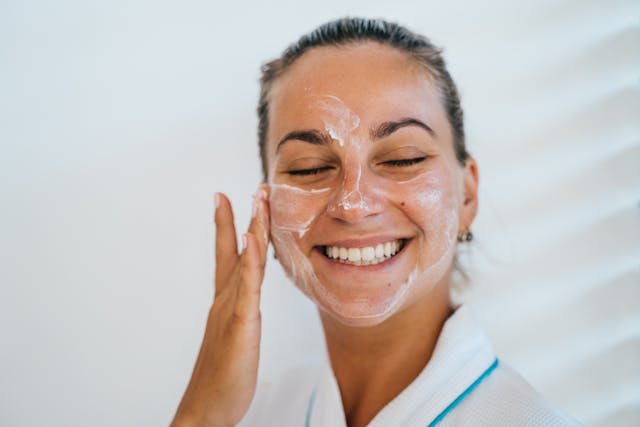
This was the most dramatic change.
My old cleanser left my skin squeaky clean. I thought that was good. It turns out squeaky clean often means stripped.
Harsh surfactants damage your skin barrier, triggering oil overproduction, breakouts, and sensitivity.
When I switched to a gentle cleanser, everything changed.
My skin stopped feeling tight. The redness faded. Breakouts became less frequent.
Instead of: harsh foaming cleansers
Try: barrier-friendly cleansers
Benefits:
calmer skin
less redness
stronger barrier
What to look for:
Sulfate free
Paraben free
Phthalates free
Fragrance free or naturally scented
Cream, gel, or oil based formulas
Gentle Low-Tox Cleansers Worth Trying:
Aveeno Calm + Restore Nourishing Oat Cleanser - fragrance free, oat-based formula, great for sensitive skin
The Ordinary Squalane Cleanser - a minimalist formula that gently dissolves makeup without stripping the skin
Your skin should feel clean, not punished.
Swap #2: Synthetic Fragrance Moisturizer to Barrier Supporting Moisturizer
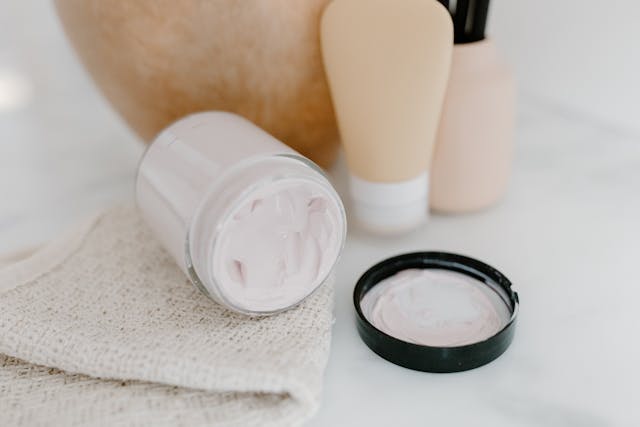
Fragrance is one of the biggest hidden irritants in skincare.
Even when labeled as a natural fragrance, it can trigger inflammation in sensitive skin.
When I switched to a low tox moisturizer focused on barrier repair, my skin became calmer within weeks.
Key ingredients that helped:
Ceramides
Hyaluronic acid
Squalane
Aloe vera
Affordable barrier-supporting moisturizers:
The Ordinary Natural Moisturizing Factors + HA – simple, fragrance-free hydration
Cocokind Texture Smoothing Cream – ceramides + celery extract
Aveeno Daily Moisturizing Cream – oat-based soothing cream - great for sensitive skin
Hydrated skin is healthy skin. When your barrier is strong, everything improves.
Swap #3: Chemical Heavy Foundation to Clean Beauty Makeup
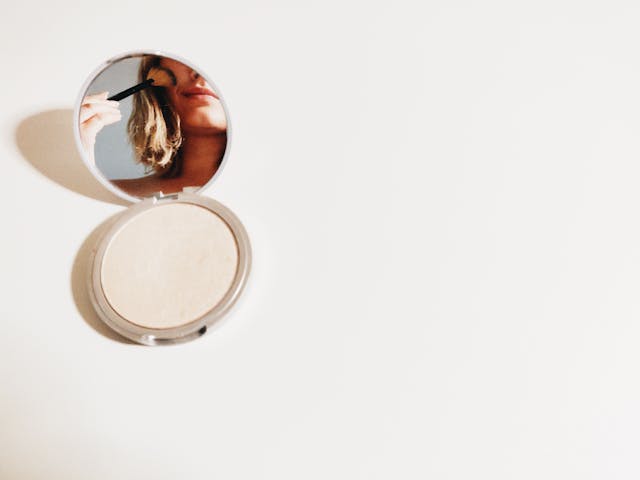
Makeup sits on your skin all day. Switching to low tox makeup made a surprising difference.
My breakouts decreased. My skin looked more natural. It could breathe.
Clean beauty brands now rival conventional formulas in performance.
For example:
Ilia
RMS
Saie
Kosas
Swap #4: Conventional Sunscreen to Mineral Sunscreen
This swap was essential.
Some people with sensitive skin find that certain chemical sunscreen filters cause irritation, which is why mineral formulas are often recommended. Mineral sunscreens use zinc oxide, which sits on the surface and reflects UV rays.
Benefits I noticed:
Less irritation
No burning eyes
Reduced redness
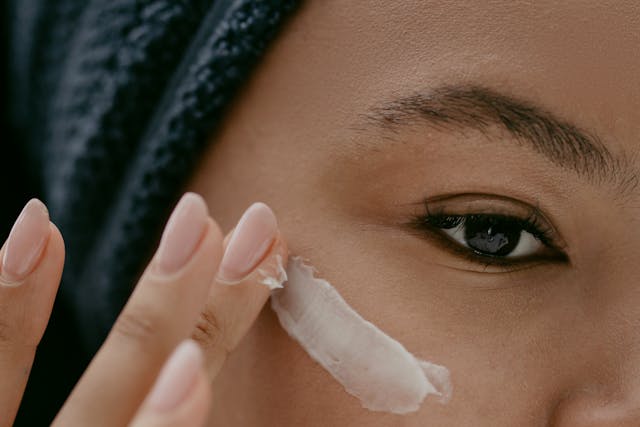
Sunscreen remains the most important anti-aging product.
Low tox does not mean skipping protection.
Mineral sunscreens for sensitive skin:
EltaMD UV Clear Mineral SPF
Australian Gold Botanical Tinted Mineral Sunscreen SPF 50
Biossance Squalane + Zinc Sheer Mineral Sunscreen
Swap #5: Ditching Synthetic Fragrance Everywhere
This includes:
Perfume
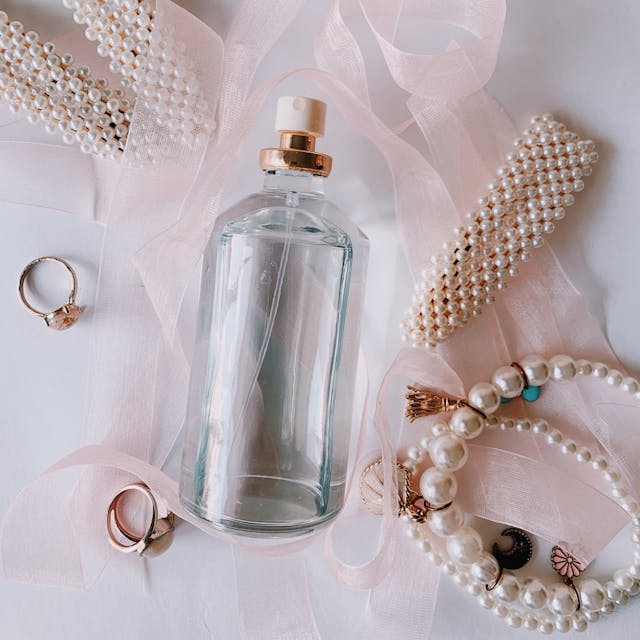
Because perfume sits directly on the skin, it’s often the first product people reconsider when trying to reduce synthetic fragrance exposure. Learning how to choose safer, non-toxic perfumes can make this swap much easier.
Body lotion
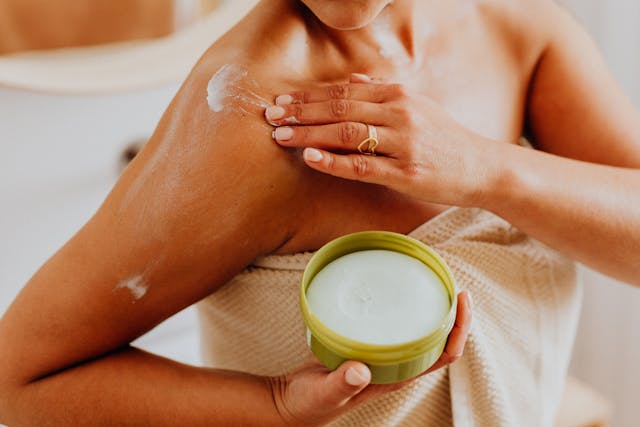
Laundry detergent
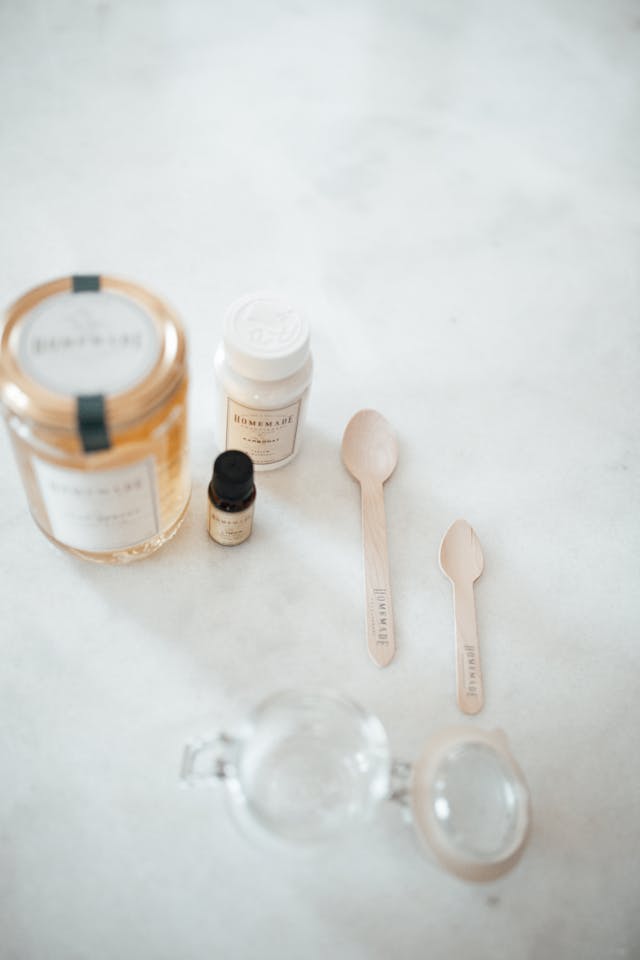
Pillow sprays
Your skin lives in your environment.
Reducing overall fragrance exposure helped my skin heal faster.
Hidden irritants matter.
Ingredients Many People Avoid in Low Tox Skincare
When transitioning to low-tox beauty, many people start by paying closer attention to ingredient lists. While not every ingredient is harmful for everyone, these are some that many clean beauty advocates choose to limit or avoid.
1. Parabens
Common examples:
methylparaben
propylparaben
butylparaben
Parabens are preservatives used to extend shelf life. Some people prefer to avoid them because they may mimic estrogen in the body.
2. Phthalates
Often hidden under the word “fragrance”.
They are sometimes used to make scents last longer.
Many clean beauty brands avoid them because they have been linked to hormone disruption concerns.
3. Synthetic Fragrance
Listed as:
fragrance
parfum
The problem is that a single fragrance can contain dozens of undisclosed chemicals.
People with sensitive skin often notice irritation from fragrance.
4. Formaldehyde-Releasing Preservatives
Examples include:
DMDM hydantoin
quaternium-15
imidazolidinyl urea
diazolidinyl urea
These ingredients slowly release small amounts of formaldehyde to prevent bacteria growth.
5. Harsh Sulfates
Examples:
sodium lauryl sulfate (SLS)
sodium laureth sulfate (SLES)
These detergents create strong foaming but can strip the skin barrier and increase dryness.
6. Oxybenzone and Octinoxate
These are chemical sunscreen filters sometimes avoided because of potential environmental and skin sensitivity concerns.
Many low-tox routines instead use mineral sunscreens with zinc oxide.
7. PEG Compounds
Ingredients starting with PEG- are sometimes avoided in clean beauty because they may be contaminated during manufacturing.
Ingredients Often Favored in Low-Tox Skincare
Instead of focusing only on what to avoid, many low-tox routines prioritize supportive ingredients such as:
ceramides
hyaluronic acid
squalane
aloe vera
oat extract
zinc oxide (mineral sunscreen)
These ingredients help support the skin barrier and maintain hydration.
The Unexpected Benefits of Switching to Low Tox Beauty
The changes went beyond clearer skin.
I noticed:
Less redness
Fewer breakouts
More even tone
Reduced sensitivity
Natural glow
My skin became predictable. Calm.
It stopped fighting me.
Beginner Low-Tox Skincare Starter Routine
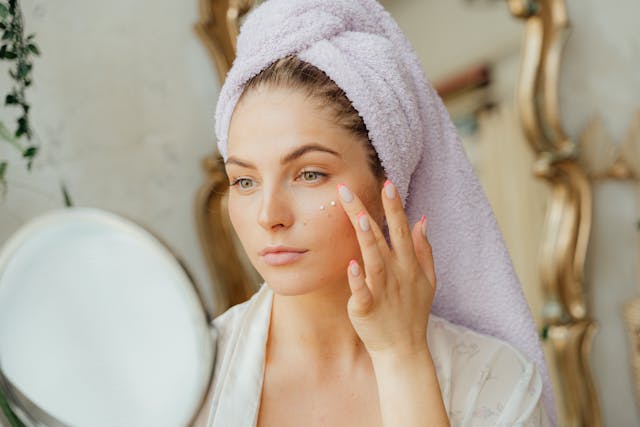
You do not need to replace everything at once.
If you're starting your transition to low-tox beauty, these three affordable swaps make the biggest difference:
1. Cleanser
Aveeno Calm + Restore Nourishing Oat Cleanser
2. Moisturizer
Cocokind Texture Smoothing Cream
3. Sunscreen
Australian Gold Botanical Tinted Mineral Sunscreen SPF 50
These products interact most deeply with your skin.
Replace items as you finish them.
This approach is sustainable and budget-friendly.
Common Myths About Clean Beauty
Myth 1: Clean Beauty Does Not Work
Many modern clean beauty brands now perform similarly to conventional formulas.
Myth 2: It Is Too Expensive
There are affordable options at every price point.
For example, The Ordinary offers excellent low tox formulas.
Myth 3: You Need a 10 Step Routine
You do not.
Simple routines often produce better results.
My Current Low Tox Skincare Routine
Morning:
Gentle cleanser
Moisturizer
Mineral sunscreen
Night:
Cleanser
Moisturizer
Occasional facial oil
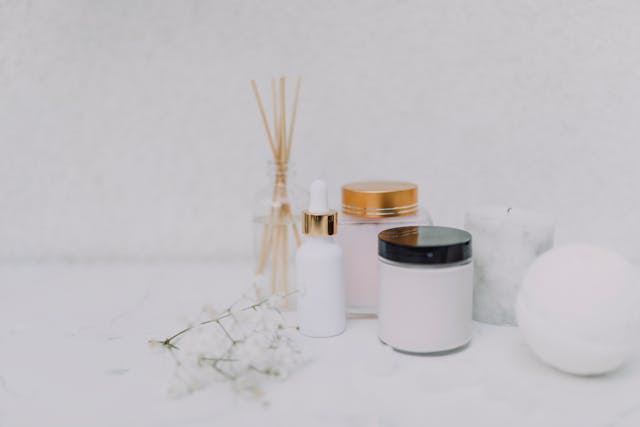
Consistency matters more than complexity. My current low tox skincare routine is simple and focused on barrier support.
The Emotional Side of Low Tox Beauty
This journey taught me something unexpected. Skincare is not about chasing perfection, it's about supporting your body.
For many people, switching to low-tox products simply means simplifying their skincare routine and avoiding common irritants.
What to Expect When You Switch
Your skin may go through an adjustment period. This is normal.
Give it 4 to 6 weeks.
Healing takes time.
Trust the process.
Why Low Tox Beauty Is Worth It
Switching to low-tox beauty changed my skin in ways I didn't expect.
Not overnight.
Not dramatically.
But deeply.
My skin became healthier.
And perhaps most importantly, I stopped fighting it.
Low tox beauty is not about fear or perfection.
It is about alignment.
Choosing products that support your skin rather than challenge it.
Frequently Asked Questions
What is low tox skincare?
Low tox skincare refers to products made without potentially harmful ingredients such as parabens, synthetic fragrance, and harsh chemicals.
Does clean beauty improve skin?
Many people experience less irritation, fewer breakouts, and improved skin barrier health.
How long does it take to see results?
Most people notice changes within 4 to 8 weeks.
Small Swaps, Big Transformation
Your skin listens to everything you put on it.
Low-tox beauty is less about trends and more about choosing products that support your skin’s natural barrier.
The most sustainable way to switch to low-tox beauty is to start small and stay consistent.
And watch your skin return to balance.
If you're starting your own low-tox beauty journey, begin with just one swap this week. Your skin does not need perfection. It needs consistency.
Save this guide so you can come back to it when you're ready to make your first low tox beauty swap.